

Education
We believe in a coherent, child-centred approach to education. By integrating an internationally recognised curriculum framework, an inquiry-driven methodology, and a philosophy that respects children as competent individuals, we thoughtfully design each day's experiences.
01 — Framework
World-Class Educational Curriculum
International Early Years Curriculum
The IEYC (International Early Years Curriculum) is a comprehensive, contemporary international curriculum designed for children aged 2 to 6. It nurtures curiosity, independence, and a spirit of inquiry while building the foundations for lifelong learning.
Within theme-based learning units, areas such as language, mathematics, science, creative expression, and physical development are organically connected, enabling children to deepen their understanding within meaningful contexts.
Through careful observation, teachers identify each child's interests and development, shaping the environment and guiding questions to support the natural deepening of learning.
02 — Approach
Inquiry as a Way of Learning
Child-Centred, Curiosity-Driven Education
In inquiry-based learning, children see themselves as active agents in their own education, while teachers serve as guides and facilitators. This child-centred approach honours children's interests, questions, and curiosity, allowing exploration and investigation to grow from their natural sense of wonder.
Beyond acquiring knowledge through inquiry, children develop critical thinking skills, social skills, communication skills, research skills, and self-management skills. This learning process is collaborative and constructive.
Inquiry-based learning values the process of self-directed discovery over simply being taught or arriving at a single predetermined answer. Children regularly reflect on their own learning and growth, and share their discoveries with their families and the wider community.
References: Project Zero, Harvard Graduate School of Education. 2020. "Inquiry: A collaboratively developed definition". / Trevor MacKenzie, 2016, Dive into Inquiry, EdTechTeam Press.
03 — Philosophy
A Reggio Emilia Inspired Philosophy
Respecting Children as Capable Learners
The Reggio Emilia approach is a globally recognised educational philosophy that originated in the town of Reggio Emilia, Italy, and was developed after the Second World War.
This approach views children as competent and active agents in their own learning, respecting their right to learn through self-expression in what are known as the "Hundred Languages." These "languages" encompass diverse means of communication through which children express themselves and engage with the world — including spoken language, movement, drawing, construction, sculpture, dramatic play, collage, and music.
Embracing this philosophy, we foster collaborative learning in which children learn alongside their peers, teachers, parents, and the environment through project-based experiences.
This dynamic interaction nurtures deeply meaningful learning experiences, supporting children as they grow through their relationships with others and the world around them.
Reference: "The Hundred Languages", Loris Malaguzzi
Japanese Culture

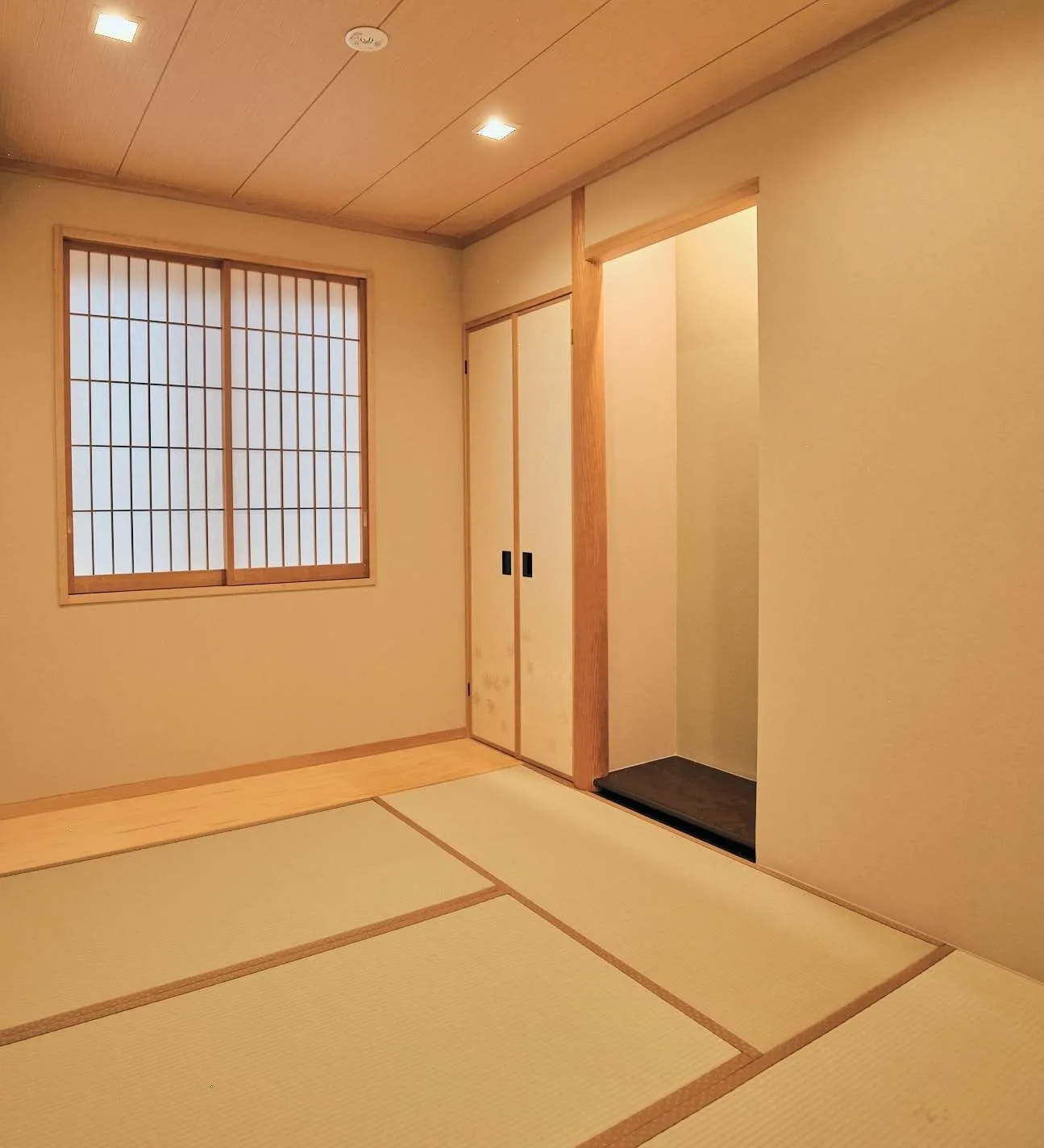
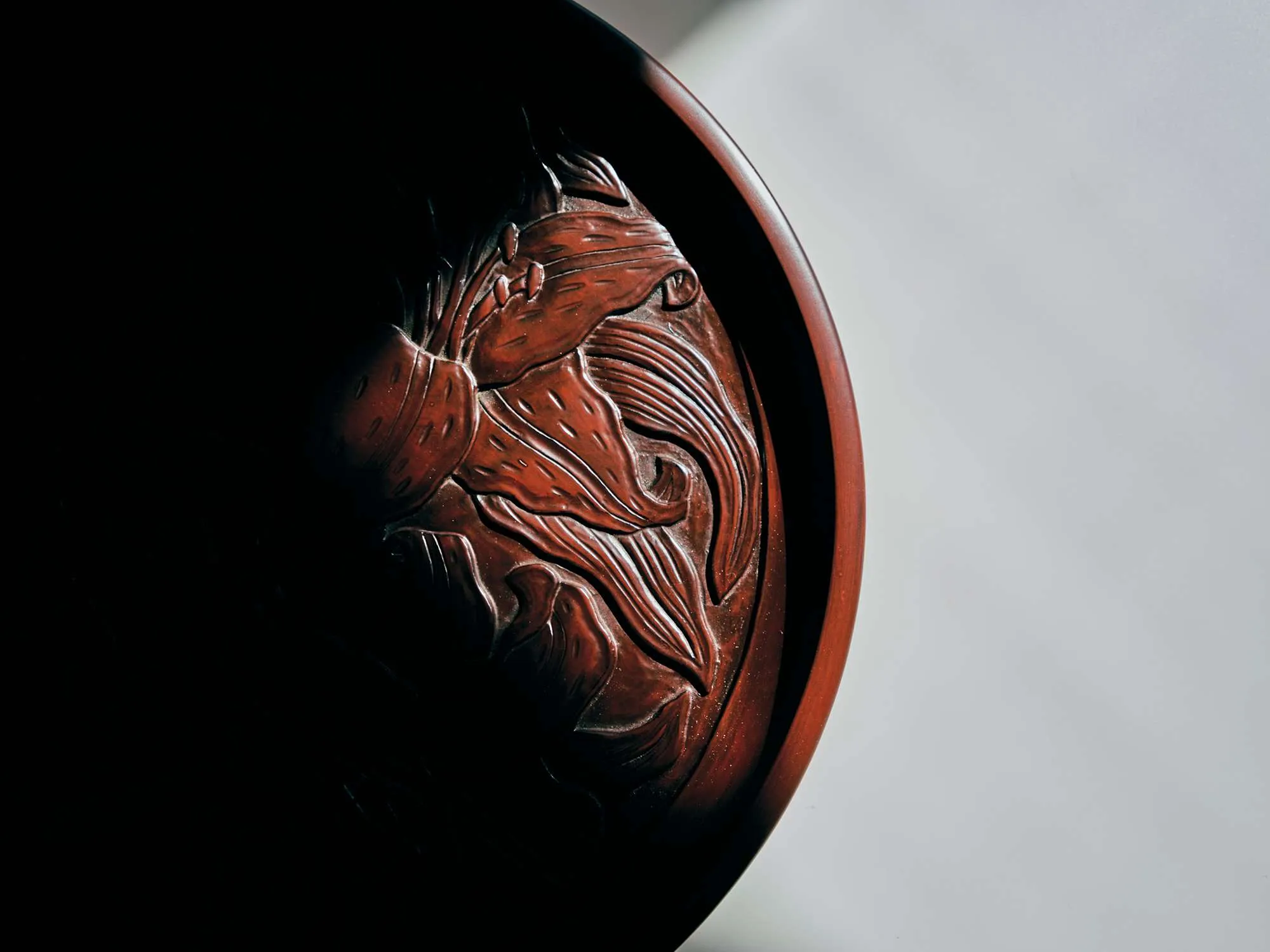
At our school, children encounter traditional Japanese culture — including tea ceremony and calligraphy — through play and inquiry.
Rather than being taught in a formal manner, children explore by touching the tools, imitating the movements, and feeling the seasons, naturally experiencing the depth of Japanese culture. The texture of tatami, the scent of sumi ink, the steam rising from a bowl of tea — these sensory experiences quietly cultivate their sensibilities.
Rooted in Kamakura, a place steeped in history and spiritual heritage, experiencing Japanese culture through the body is also an opportunity for children growing up in a global society to connect with their own roots. As a foundation linking the local with the world, we explore Japanese traditions deeply and richly.
Preparing for Diverse Pathways
Learning That Connects to the Future
The education at Wells not only enriches the early childhood experience but also builds the foundations for future academic pathways. We cultivate the skills needed to pursue a wide range of options — from private primary schools in the Kamakura and Kanagawa area, to domestic international schools, and eventually overseas boarding schools and study-abroad programmes.
Our goal is not preparation for specific examinations, but rather to develop the ability to think independently, express oneself, and adapt in any educational environment. Learning grounded in an international framework, deepened thinking through inquiry, and a philosophy that respects each child — the integration of these elements naturally broadens future possibilities.